How to Grow a Reaction Channel on YouTube (2026 Guide)

Updated: June 27, 2026
How to Grow a Reaction Channel on YouTube: A Strategic, Algorithm-Focused Guide for 2026
Growing a reaction channel on YouTube in 2026 requires far more than filming yourself watching content. With high competition and strict copyright rules, success depends on smart niche selection, algorithm-friendly editing, strong viewer engagement, and consistent execution. This guide provides a structured, SEO-optimized breakdown of how to grow a reaction channel effectively and sustainably.
1. What Is a Reaction Channel? (Beginner-Friendly Definition)
A reaction channel is a YouTube channel where the creator records themselves watching, listening to, or analyzing content, such as music videos, live performances, film scenes, anime episodes, trailers, or viral clips, and shares their response with the audience.
Typical formats include:
- music reaction channels (“first time hearing…”)
- anime reaction channels
- movie or series reactions
- vocal coach or producer reaction channels
- meme and internet clip reactions
For beginners, the key is understanding that reacting is just the format. To grow, you need a clear topic and a clear angle.
2. How to Start a Reaction Channel (Beginner Overview)
If you are starting from zero and asking “how do I start a reaction channel?”, here is a simple checklist:
- Pick a niche - choose one main category (music, anime, movies, memes, etc.).
- Define your angle - emotional, analytical, comedic, expert-based?
- Set up basic gear - webcam or camera, microphone, headphones, editor.
- Record 3–5 test reactions - focus on what you can discuss naturally.
- Edit for clarity - remove dead air, fix audio balance.
- Upload consistently - even once per week is fine at first.
- Read comments and analytics - adjust your pacing and style.
Once the basics are in place, the rest of this guide helps you move from “I started a reaction channel” to “I am growing a reaction channel strategically.”
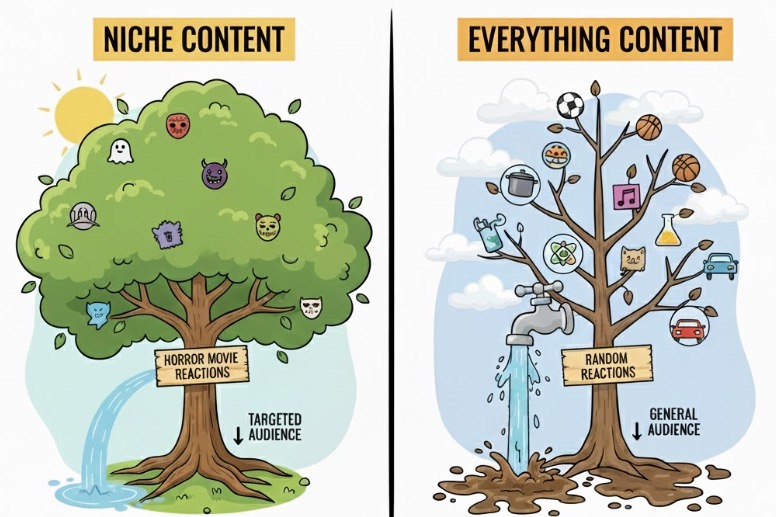
3. Define a Specific Niche
“Reaction channel” is a format, not a niche.
YouTube performs best when channels have a clearly identifiable audience and content category.
Effective niche examples:
- Film editor reacting to cinematography in modern movies
- Composer analyzing soundtracks or orchestral arrangements
- Music producer reacting to alternative pop, experimental electronic, or indie artists
- Linguist reacting to accents or multilingual performances
- First-time anime watcher reacting to specific shows
- Drummer reacting to metalcore or math-rock breakdowns
A niche should be reducible to one sentence. If it requires more, it is not narrow enough.
4. Understand the Algorithm: CTR, Retention, and the Structure of a Reaction
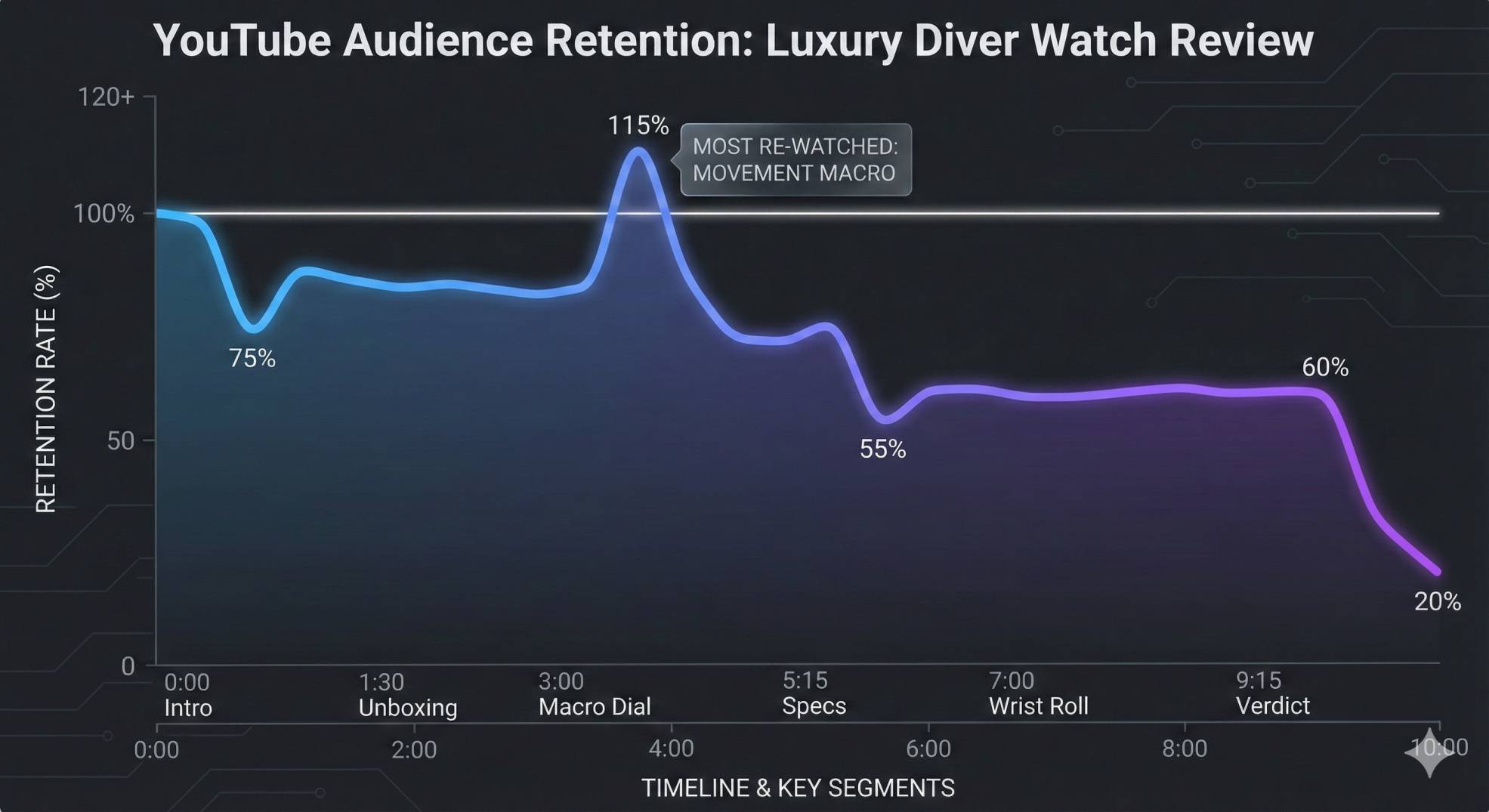
To grow a reaction channel on YouTube, you must align with two primary algorithm metrics:
- Click-Through Rate (CTR)
- Audience Retention
Reaction videos often struggle with retention because:
- long silences
- overtalking important moments
- excessive pausing at the wrong time
- irrelevant rambling
Important nuance
While most reaction niches benefit from tight editing, some fanbases, especially emotional, cinematic artists, prefer long, uncut reactions to experience the full moment with you.
Uncut reactions add authenticity but increase copyright risk significantly.
Creators must balance:
- retention
- copyright safety
- viewer expectations
5. Personality Differentiation
The reaction itself is rarely the reason someone subscribes. They stay for:
- your analytical ability
- your humor or emotional openness
- your perspective
- your taste
- your commentary style
Two reactors can watch the same video and generate completely different viewing experiences. Consistency in tone, pacing, and personality is essential.
6. Strategic Content Selection: Trending vs. Evergreen
A successful reaction strategy blends trend-driven content with evergreen, slow-burn content.
A. Trend-driven content
Examples:
- new music videos
- major film trailers
- viral clips
- newly released episodes or scenes
These bring quick spikes in visibility.
B. Evergreen content
Examples:
- classic songs
- older movies
- legendary performance clips
- iconic scenes
- genre discovery series
These deliver long-term search traffic and steady growth.
7. Tools to Discover What Already Has or Does NOT Have Reaction Demand
One of the smartest ways to choose reaction topics is to analyze which videos already have a lot of reactions and which ones don’t have enough reactions yet. This helps identify:
- oversaturated topics
- under-reacted opportunities
- niche artists whose fans aggressively search for reactions
- gaps you can capitalize on before other creators do
Chrome Extension: YouTube Reaction Finder
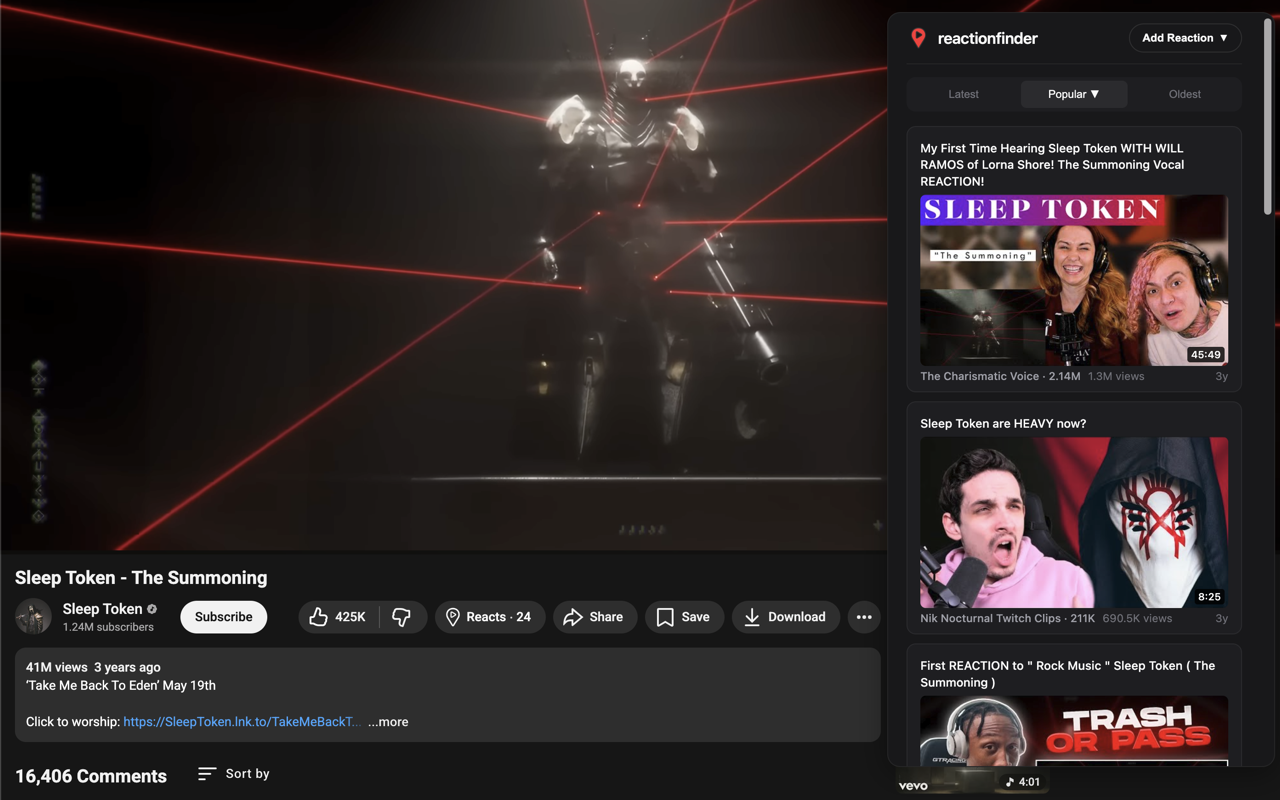
The YouTube Reaction Finder Chrome extension instantly shows how many reaction videos exist for any YouTube video:
After installing it, every YouTube video displays a “Reacts” button. Clicking it shows:
- how many reactions already exist
- which creators reacted
- whether the topic is oversaturated
- whether a video has no reactions at all (high-growth opportunity)
For example, checking a track like Sleep Token – The Summoning may show a list of reactors or reveal that almost nobody reacted yet, depending on timing:
Reaction Finder: Add Your Reactions for Extra Discoverability
You can also submit your videos to Reaction Finder, a database indexing reactions across the internet:
Being listed helps:
- fans discover your reactions more easily
- your videos appear when searching reactions by artist or songs
- build passive organic traffic outside YouTube’s algorithm
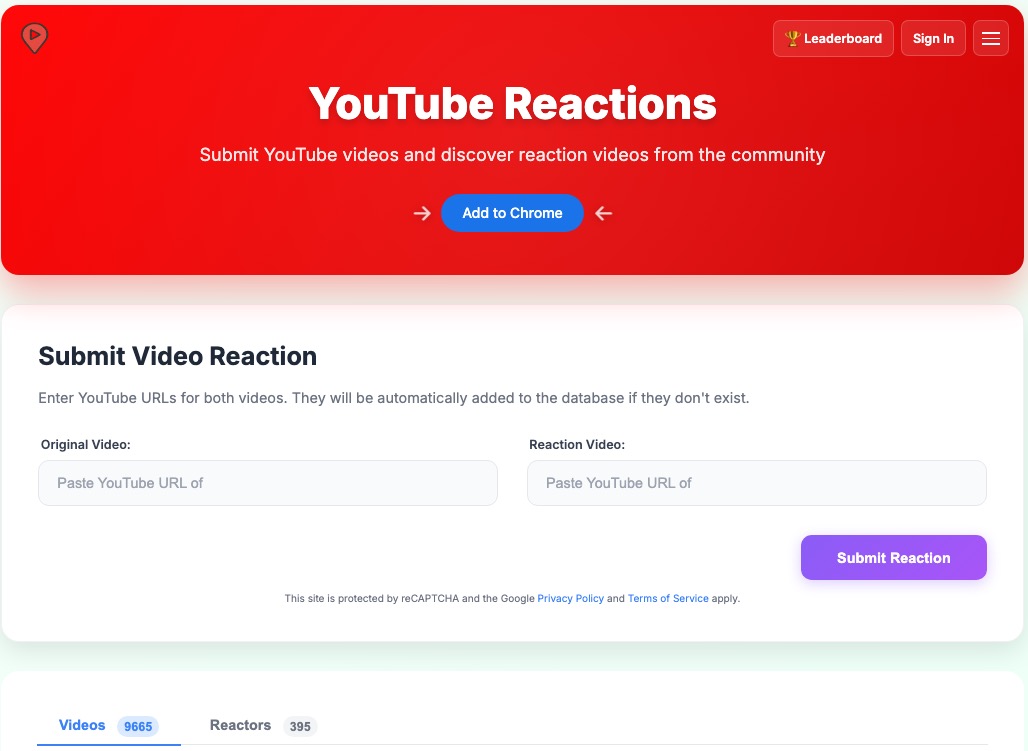
Using both tools gives you a strategic advantage when identifying high-demand, low-supply reaction opportunities.
8. Leverage Hyper-Loyal, Under-Served Artist Fanbases
Some musicians have relatively small audiences yet extremely devoted fans who:
- search daily for new reactors
- share reactions in fan groups
- subscribe to follow your journey
- reward emotional or analytical commentary
Reacting to these artists can produce instant traction.
High-leverage artists:
- EDEN
- Brakence
- Crywolf
- ATO
Similar artists with strong loyalty:
- Sleep Token
- Illenium
- Dabin
- Zeph
- Stephen
These fanbases often promote reactors more actively than mainstream fans.

9. Video Structure and Editing
Professional reaction videos benefit from a clear structure.
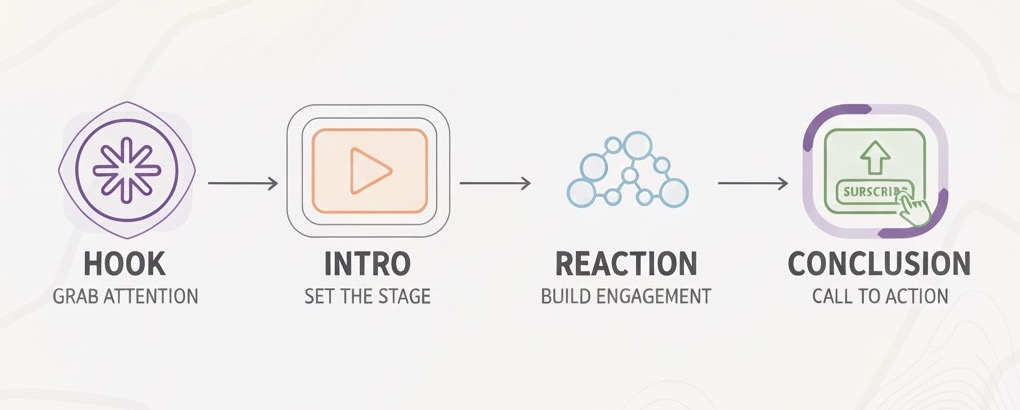
Recommended format:
- Cold open (5–10s) - show a strong emotional or analytical moment
- Short intro (5–8s) - what you’re reacting to and why
- Reaction - pausing, commentary, analysis, removing dead air
- Conclusion - short summary + call to comment
This structure maximizes retention, which directly influences YouTube recommendations.
10. Copyright and Fair Use Considerations
To reduce takedowns and blocks:
- avoid long uncut segments
- lower copyrighted audio
- add frequent commentary
- crop or reframe visuals
- remove repetitive parts
- use Patreon for full uncut episodes
Transformation must be obvious visually and intellectually.
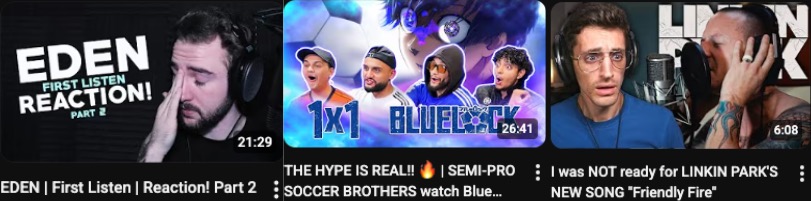
11. Thumbnails and Titles
CTR matters more than almost anything else for reaction channels.
Thumbnails:
- clear facial expression
- identifiable element from the original content
- minimal text
- high contrast
Titles:
Combine artist/show name + angle:
- “Producer Reacts to EDEN – ‘rock + roll’ (Genius Production)”
- “First Time Hearing Crywolf – I Was Not Ready”
Front-load search terms for SEO.
12. Consistency and Series-Based Content
Series outperform standalone reactions.
Examples:
- track-by-track album reactions
- episode-by-episode reactions
- artist discovery series
- genre exploration series
- weekly viewer-request series
Series create binge-watching, one of the strongest algorithm signals.
Below is an example of a clear weekly YouTube upload schedule that helps viewers know exactly what to expect:
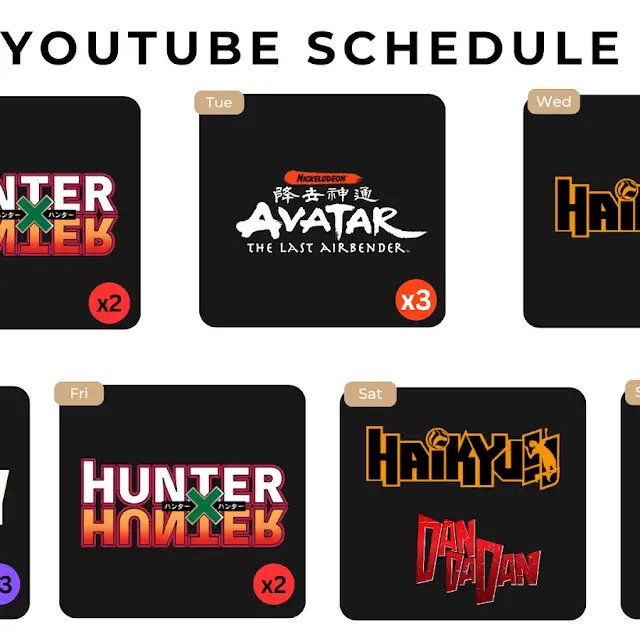
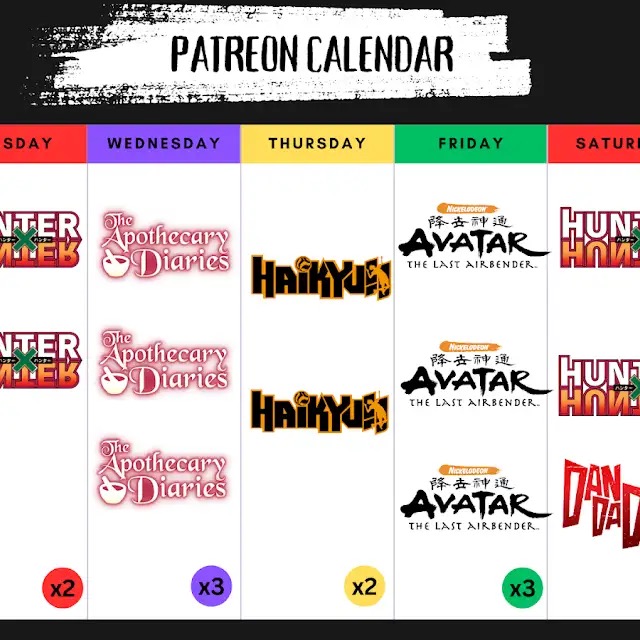
Creators who run Patreon or channel memberships often use a parallel schedule for early-access or uncut episodes, giving supporters a clear overview of premium content.
13. Using Comments as a Feedback Engine
Comments reveal:
- where your pacing is off
- moments you talked over
- audio balance issues
- what viewers expect next
- which artists they want deeper dives into
Viewer feedback = free improvement data.
14. Community Engagement
Strong engagement increases returning viewers.
Effective methods:
- reply to comments
- heart meaningful feedback
- community tab polls
- Patreon or Discord
- early-access or uncut versions
Engaged communities multiply your long-term views.
15. Monetization Strategy
Ads alone are unreliable due to:
- demonetization
- revenue-splitting
- region-blocking
Diversify early:
- Patreon
- channel memberships
- sponsors
- affiliate links
- merch
Long-term stability comes from multi-source monetization.
16. Data-Driven Optimization
Use YouTube analytics to refine:
- retention
- pacing
- thumbnail CTR
- search vs. suggested traffic
- subscriber conversion
Incremental improvements compound into long-term success.
Frequently Asked Questions
Conclusion
Growing a reaction channel in 2026 demands more than filming yourself watching content. It requires:
- niche specialization
- strategic topic selection
- retention-focused editing
- strong thumbnails and titles
- copyright awareness
- community interaction
- consistency and series-based planning
- continuous improvement through analytics
Applied consistently, these principles enable reaction channels to grow rapidly, even in saturated categories.